
Categories
- DATA SCIENCE / AI
- AFIR / ERM / RISK
- ASTIN / NON-LIFE
- BANKING / FINANCE
- DIVERSITY & INCLUSION
- EDUCATION
- HEALTH
- IACA / CONSULTING
- LIFE
- PENSIONS
- PROFESSIONALISM
- THOUGHT LEADERSHIP
- MISC
ICA LIVE: Workshop "Diversity of Thought #14
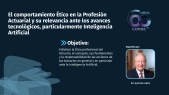
Italian National Actuarial Congress 2023 - Plenary Session with Frank Schiller
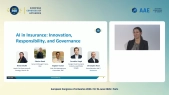
Italian National Actuarial Congress 2023 - Parallel Session on "Science in the Knowledge"
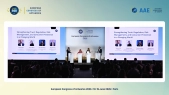
Italian National Actuarial Congress 2023 - Parallel Session with Lutz Wilhelmy, Daniela Martini and International Panelists
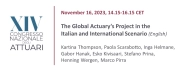
Italian National Actuarial Congress 2023 - Parallel Session with Kartina Thompson, Paola Scarabotto and International Panelists
286 views
0 comments
0 likes
2 favorites
 AAE
AAE
Actuaries have always prided themselves as professionals, who through adherence to codes of conduct and professional standards, can be relied upon to act ethically, competently, and in the public interest. Professional standards help sustain trust, guide behaviour, and hold individuals accountable, ultimately protecting both the public and the integrity of the profession itself.
But the world is changing. Increasingly, in traditional actuarial areas, ever stricter regulations have been introduced which specify in detail how actuaries must act.
Actuaries are also increasingly involved in new areas of practice and competing with non-actuaries for very similar roles in areas such as banking, investments, data science and climate change. In such situations, do professional standards help or hinder actuaries? Do they reassure employers and consumers that actuaries can be trusted, or do they simply place an additional costly compliance burden on actuaries.
This session looks at the evolution of actuarial standards, and it also looks to the future and the challenges presented by ever increasing use of AI and the growing importance of trust and professional judgement.
The session considers another challenge - the increasing influence of DEI (diversity, equity and inclusion). Does DEI have a place in professional standards? If so, what sort of place? Is DEI universal or linked to culture? How does the colonial history of the West shape our response to DEI. The author draws on his experiences as a priest in the Church of England to examine issues of bias and discrimination from a cultural and historical perspective. Can actuaries ignore these key ethical challenges? Should professional standards extend beyond matters of professional actuarial judgement, for example, to include behaviour in the workplace?
This session tackles all these questions and attempts to answer the key question of where next for actuaries and professional standards?


0 Comments
There are no comments yet. Add a comment.